
I didn’t move to Japan because I thought it would make me more money. I moved here because I needed a change.
I’d never lived anywhere but my hometown, felt boxed in by my familiar routines, and was quietly panicking that my freelance career was stalling before it ever really took off.
Last year, I left education. First, I was an ESL teacher, and later, I worked as an online college instructor. I loved parts of the work, but by the end of my days, I felt drained, disconnected, and creatively stuck—the kind of stuck where you know you can’t keep going long-term, but you also don’t know what’s next yet.
I’ve always loved writing, and it was my favourite part of the job. I taught it almost every day in classes, graded essays every week, and thought about it constantly. Eventually, though, I realized that I wanted to move from teaching writing to actually building something of my own with it.
Writing was already central to my career—creating slides, worksheets, and teaching everything from thesis statements to professional communication.
I just wasn’t the one benefiting from it yet. And I wasn’t getting any bylines either.
Once I admitted that to myself, the next step was obvious. Teacher burnout, personal life changes, and the quiet understanding that I’d outgrown my role were all pointing in the same direction. I was finally ready to give freelance writing my full attention. So I left my job and went all in.
I built my first website, started researching leads, wrote down my dream publications, and pitched every week. It was scary, but I was officially treating freelance writing like a real business.
The problem? I did that without changing much else.
I was trying to build my freelance career from the same city I grew up in, in the same apartment I taught in, pitching from the same experiences, the same angles, and the same mental loops.
My environment felt safe, but it wasn’t giving me any new material, inspiration, or momentum.
Where things actually started to stall
I knew that working as a freelance writer felt most aligned with the kind of life I wanted to live, but once I made the leap, I realized something sobering pretty quickly: I didn’t have many stories and ideas that editors were willing to pay for yet.
At first, I started writing about education because it was the clearest extension of my background, and at the time, it was the area where I assumed I’d have the strongest shot at getting a yes. I pitched pieces about the classroom, teaching strategies, language-learning tips, and practical how-to guides.
Sometimes, pitching those pieces worked. More often, they landed somewhere between “interesting” and “not quite right”.
I remember spending a couple of hours on an education pitch for a publication with hyper-specific contributor guidelines. They wanted a formal overview, a detailed outline for every section, links to external sources, and writing samples from other publications.
I followed every instruction exactly. And this was an unpaid piece.
A week later, the reply came:
“Dear Alessa – Thanks for sending this along. After reviewing the proposal, the team has decided it’s not quite right for us. Best”
That was the first of many reminders that this journey wouldn’t be easy.
I also reached out to education platforms and tutoring businesses, offering blog support and content help. Most never responded, and a few politely declined.
Out of the 40-ish pitches I sent in the first month of quitting my job, I got two unpaid yesses and three or four other replies. The rest? Silence.
Editors weren’t necessarily wrong to pass. My ideas weren’t bad, but they also weren’t urgent, distinctive, or especially unique.
When you’re new to freelance writing and you’re pitching listicles, guides, and essays without a big byline roster or a timely personal angle, it’s pretty easy to get overlooked. Or worse, totally ignored. As a new freelancer, that part was really hard.
Eventually, hitting send just felt like screaming into the void.
The lightbulb moment
Around this same time, my husband and I were renting an apartment in Canada with our lease ending in October 2025. The cost of living in our hometown was only getting higher, I felt the urge to travel the world, and I could feel myself getting more restless—personally and creatively.
I kept looking at the websites of big publications and thinking, “I want to write stories like this…but what do I have to share that’s actually worth paying for?”
Then, I learned about Japan’s working holiday visa (WHV).
The WHV program lets people under 30 from participating countries live, vacation, and work in Japan for up to two years.
I’d already visited Japan with my husband once before, and I instantly fell in love. After coming back to Canada, I knew it was somewhere that I wanted to spend more time, but I didn’t know if that was realistic yet.
Suddenly, it was.
Leaving my hometown and living in Japan wasn’t a far-fetched idea anymore—it was logistically possible. And relatively straightforward.
Once my visa was approved and the move was official, the biggest mental shift came when I realized that this change wasn’t just a lifestyle reset. It was a career advantage.
For the first time, my life felt like a story that an editor might actually want.
Selling most of my belongings, packing my life into a suitcase, and moving to Japan? Now that’s an angle.
When that clicked, everything else followed. Ideas for pitches stopped feeling forced and started flowing naturally.
I was able to pitch:
- Content about Japan
- Why I decided to leave Canada
- The logistics of the working holiday visa
- What my first trip to Japan was like (and why I was going back)
- The list goes on and on…
I wasn’t pitching things that I was half-passionate about anymore. I was genuinely excited about my own life, and that energy carried straight into my writing.
Once I decided to lean more intentionally into travel writing and storytelling, I started building relevant bylines. Sometimes, that meant writing unpaid pieces (gasp!)—not because I love working for free, but because I saw them as important stepping stones.
Those early clips helped me establish myself in the travel writing niche and gave me the credibility to keep pitching and landing more travel-focused work.
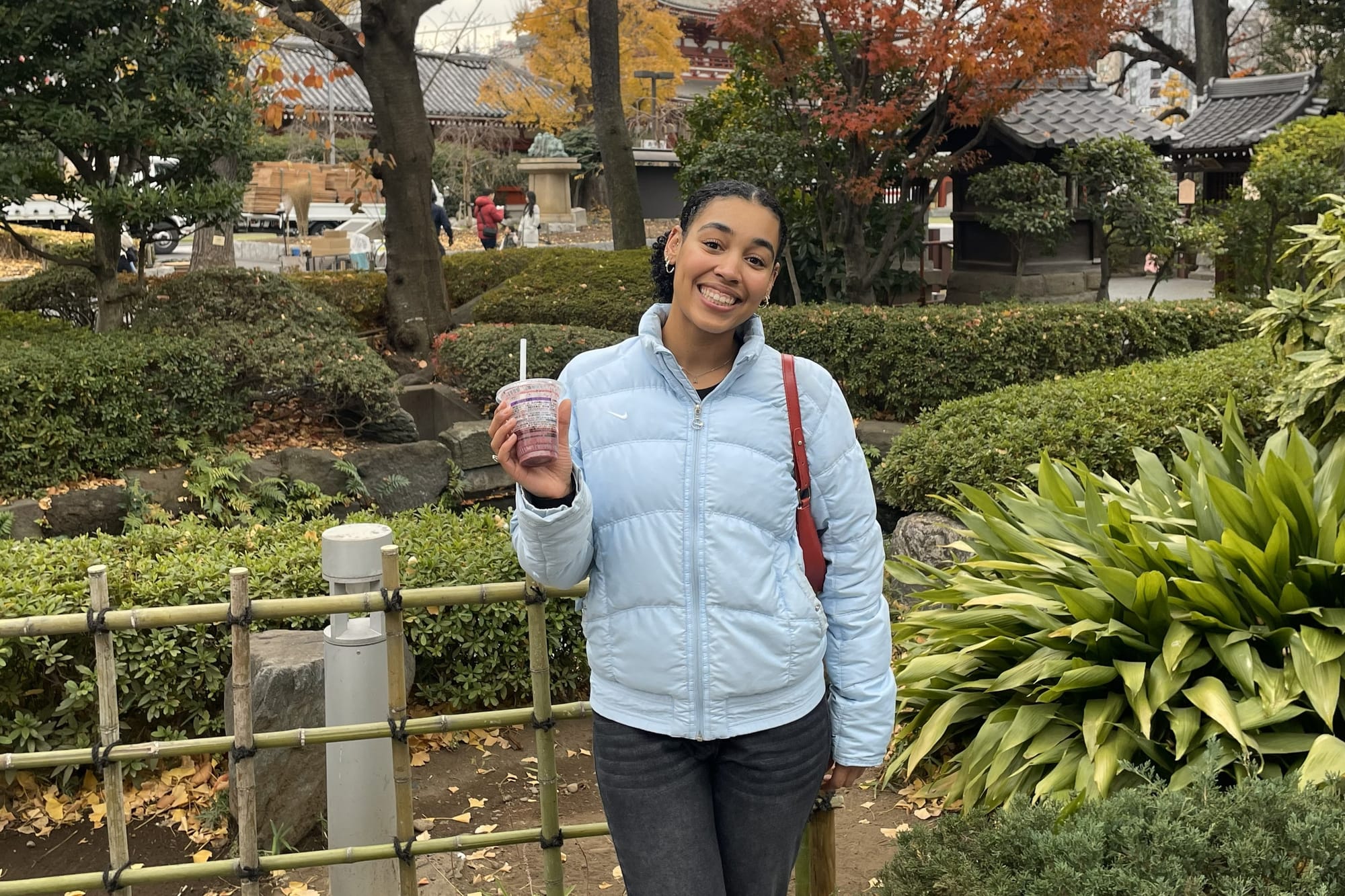
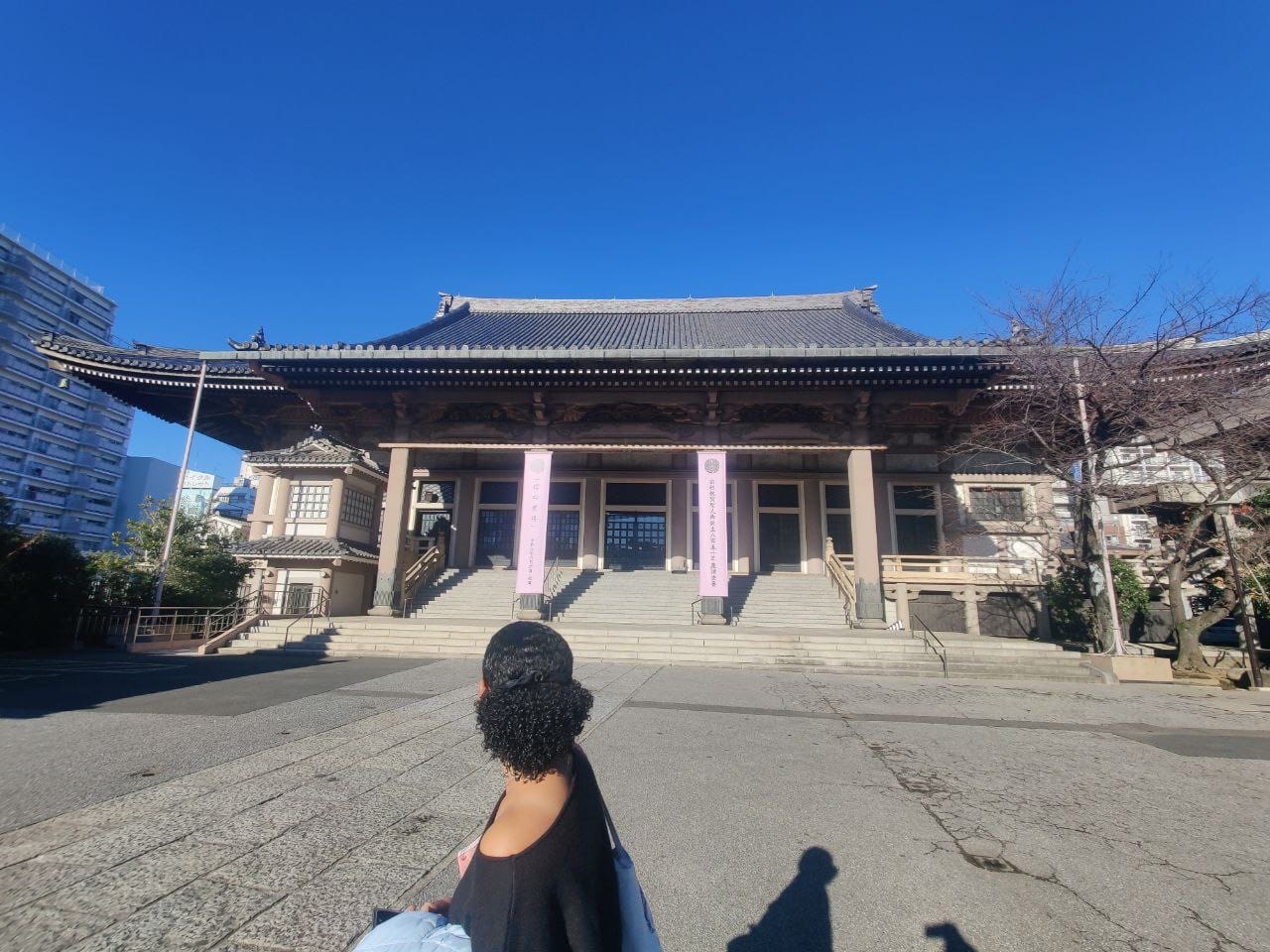
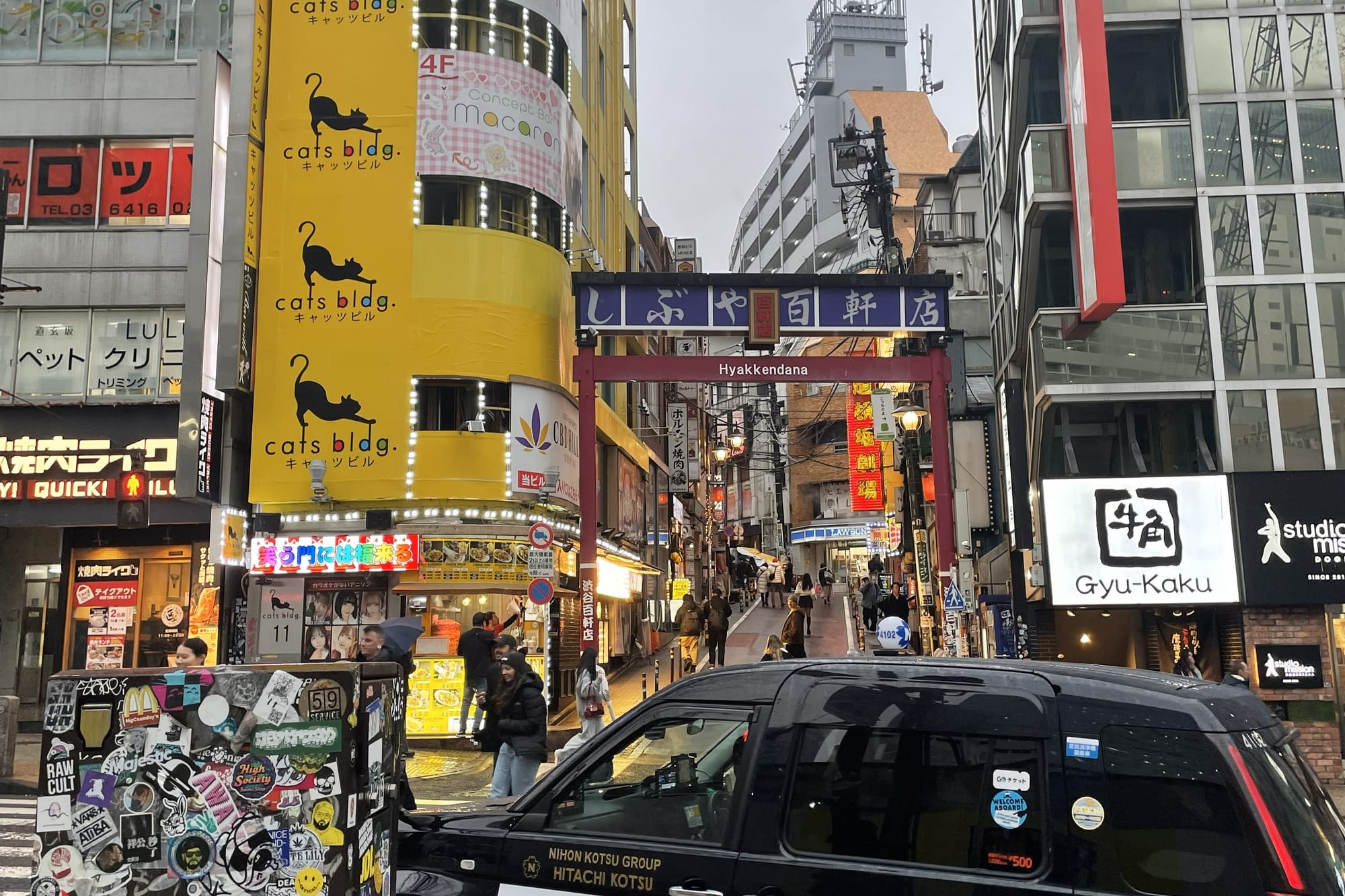
Photos of Japan by Alessa Hickman
What changed after I moved
Before Japan, I was just selling writing.
Now that I’ve moved, I’m selling firsthand knowledge.
I started pitching publications that want more personal, human-centered storytelling, because editors are actively seeking the unique perspectives and lived experiences that AI can’t produce.
Editors didn’t want compiled information and recycled pieces. They wanted someone on the ground with a story to tell as it happened.
I also pitched travel publications and Japan-based blogs that I wouldn't have been considered for before—because now, that’s a much bigger part of my life. I wasn’t researching and writing from across the world anymore. I’m navigating life here in real time.
That distinction really mattered.
Since I moved here, I’ve had more pitches accepted than I did in months back home. Conversations opened up faster. Editors were more responsive. And one of my first major freelance writing goals (getting published in Business Insider) is about to become a reality with a story about my move abroad!
Before moving, I was making $50-$100 per piece, sometimes less. After moving, I started getting offers for up to $300+.
Seeing those numbers showed me that firsthand experience is worth way more than the average guide or how-to, so I started leaning into stories I could only tell from Japan.
I’ve also had several conversations with potential new clients, and 5 pitches met with a “yes” in the last month and a half alone.
It helps that my cost of living has shifted, too. Earning in North American dollars while living in Japan means my income stretches a lot further than it did back in Canada. I didn’t need to double my rates overnight to feel progress, and that breathing room makes it much easier to keep working.
This didn't happen because I suddenly became a better writer overnight. It happened because I finally had something that editors were willing to pay for: first-person access to experiences in a place that the internet can’t stop talking about.
What hasn’t worked (because it’s not all wins here)
Living in Japan didn’t magically fix my entire writing career.
Some businesses don’t want to work with me because I’m not in their timezone, even when I’m willing to be flexible. Income still fluctuates from month to month. And the writing industry is super competitive.
There’s also a layer of instability that comes with moving abroad. I gave up my apartment, sold most of my furniture, and don’t really have a clear five-year plan anymore.
On top of that, I still have tons of pitches that get flat-out ignored—just a little less often now.
I’ve had moments of stress, doubt, and a lot of imposter syndrome. But even with the uncertainty that’s a part of this chapter, I finally feel like there’s real progress.
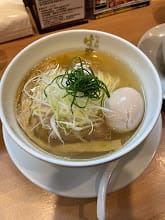
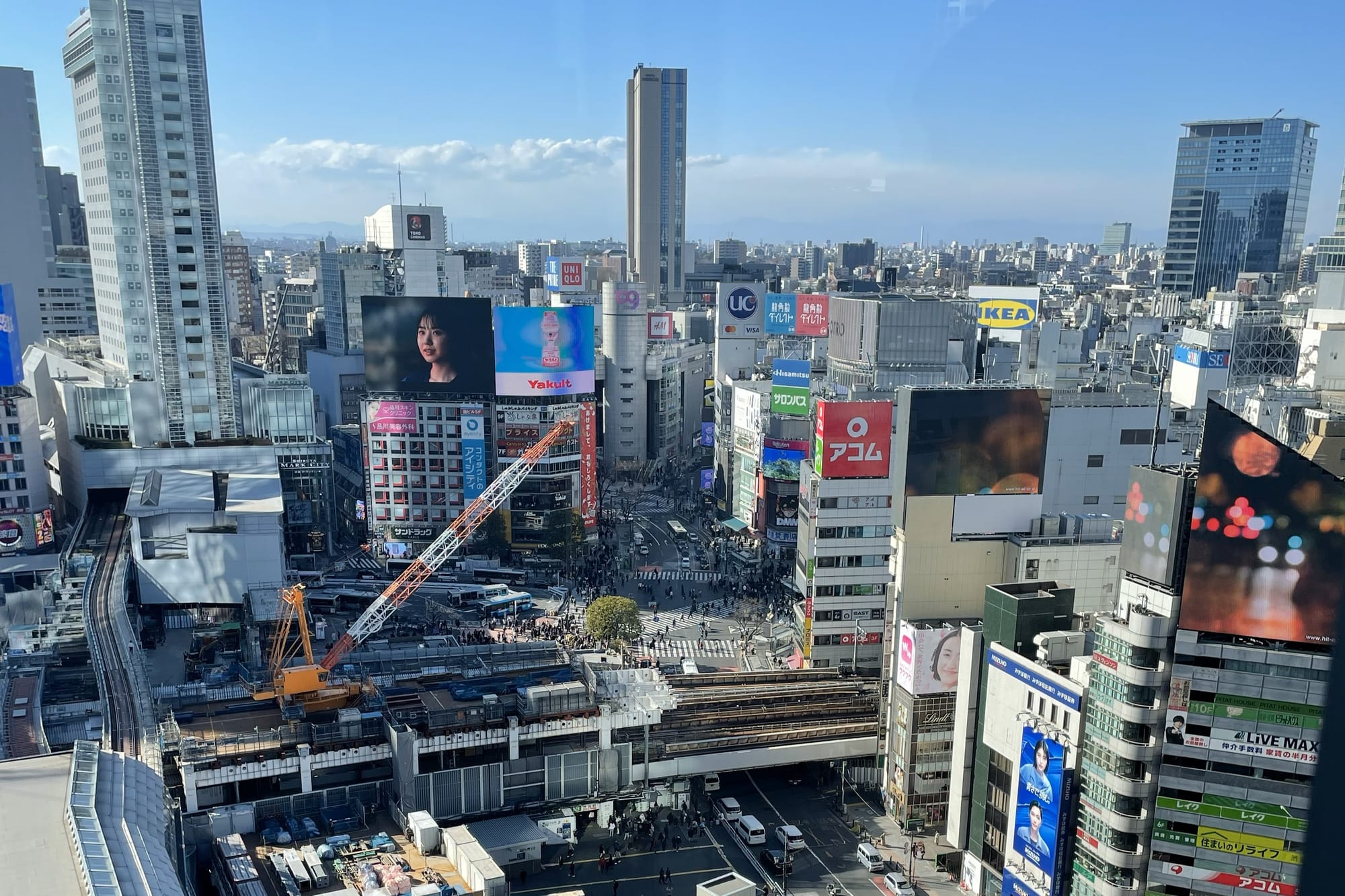
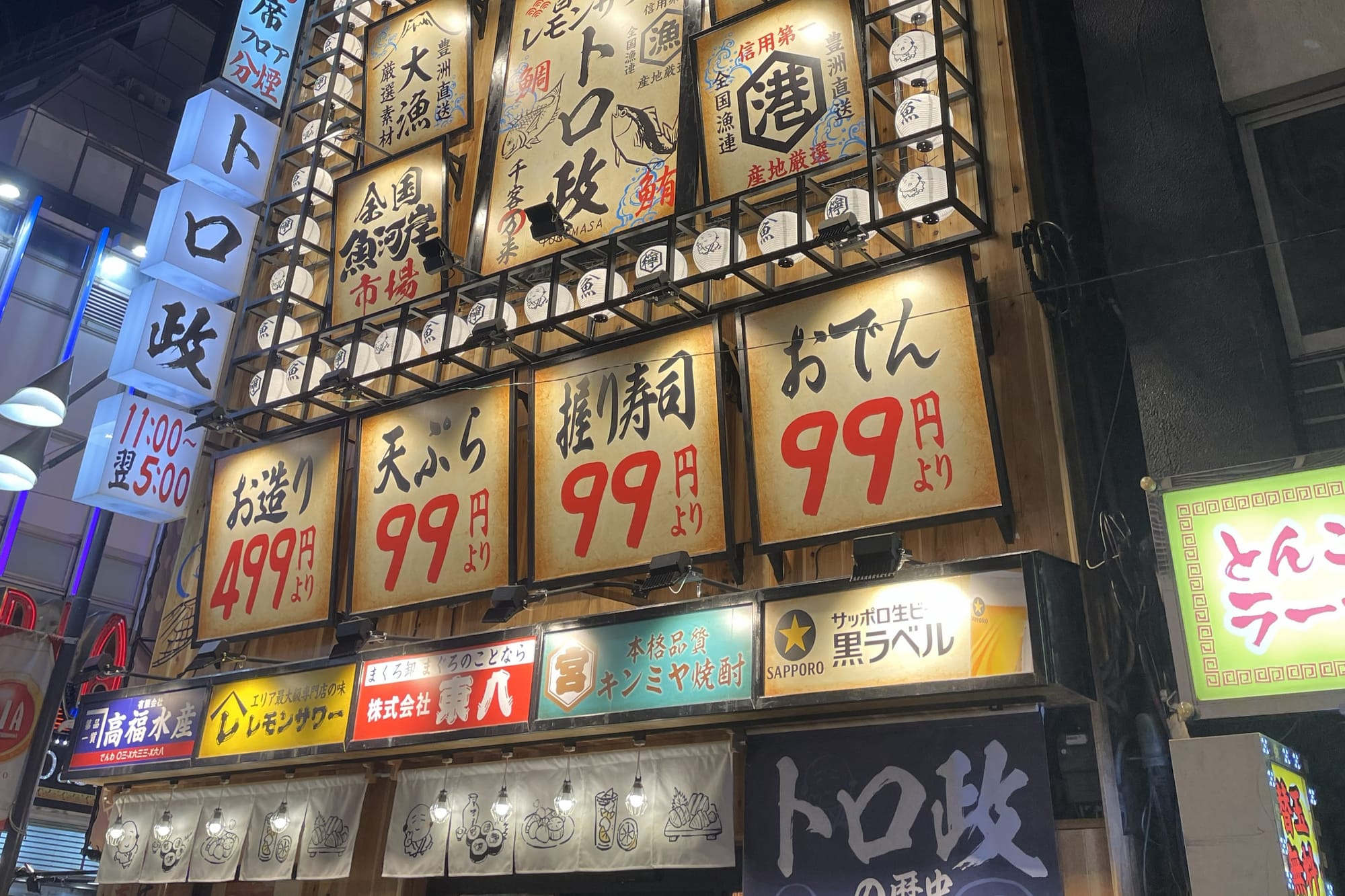
Photos of Japan by Alessa Hickman
If you feel boxed in or stagnant
You don’t need to move all the way to Japan to create momentum in your writing career.
What worked for me was:
- Creating new material on purpose (by changing my environment)
- Treating my life changes as unique pitch angles
- Pitching while the story was still unfolding, not when it felt “complete”
- Building niche-specific bylines to establish credibility in that space
- Targeting publications that value lived experience over expertise or research ability
- Letting editors see me in progress instead of waiting to be an expert
In an era where AI can churn out endless content, firsthand experience has become so much more valuable—not less.
What I’ve taken away from this change
Staying in one place kept me safe, but it also kept me stuck.
Trust me, moving to Japan didn’t eliminate the fear of failing or the risk of starting over. And it doesn’t guarantee that freelancing will always work out. But it did turn my everyday life into a billable part of my portfolio.
My business didn’t grow because I pitched more or worked harder. It grew because I gave myself something unique, real, and specific to write about.
For me, the proof is in the pudding: I’m able to write this exact piece because I took the leap!
Not everyone can pack up their life and move across the world, which is completely understandable. But if remote work, rising costs of living, and a growing sense of restlessness are already on your mind, it might be worth asking whether your environment (or process) is quietly holding your business back.
You don’t need a plane ticket to change your trajectory, but you might need to change something—whether it’s your environment, your niche, your routine, or your approach.
Bold moves and big decisions don’t guarantee success, but staying the same doesn’t guarantee safety either. The risk you take isn’t always in the leap. Sometimes, it’s in staying exactly where you are.
Alessa Hickman is a freelance writer, editor, and educator who creates content on education, travel, career, remote work, and everyday life. Connect with Alessa on her website or on LinkedIn!